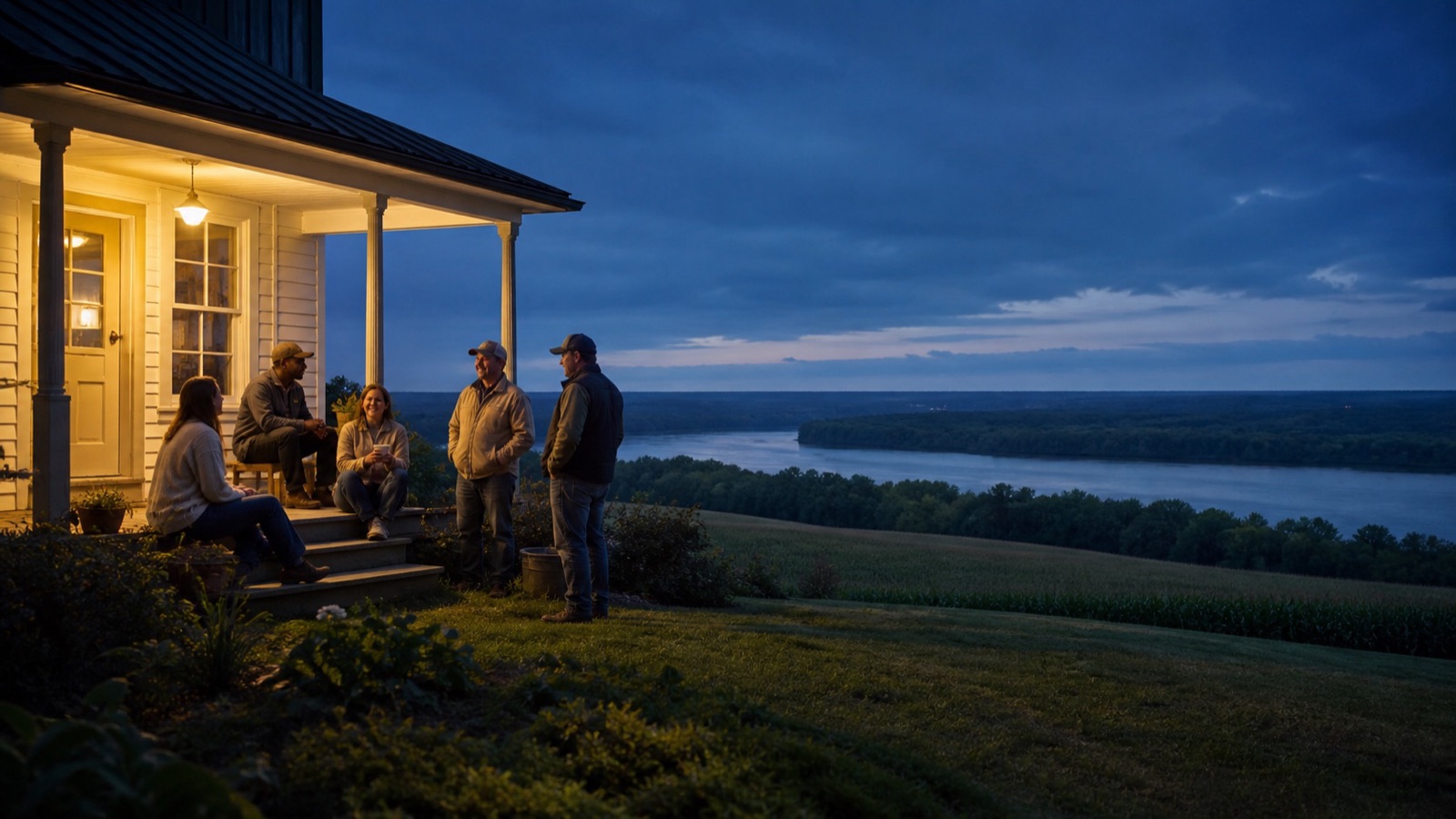
Kentucky West is organized around the Jackson Purchase region and its eight counties. The design needs to help someone exploring one place understand its connections to the wider region. A county name provides orientation, but it does not explain what a visitor might discover or why a resident would return. People, places, stories, and projects supply that meaning. The regional framework should connect those records while allowing each community to remain specific. A shared structure should lead readers to local knowledge while preserving what is distinctive about each community.
Connect a place to the story that makes it matter.
Kentucky West brings eight counties into a shared regional structure. The design problem is larger than listing destinations: a resident, a visitor, and a local contributor approach the same place with different questions. Geography provides a starting point without having to tell every story itself. An illustrative visitor journey might begin with a county, reach a local venue, and continue to a story explaining its role in the community. The venue record should answer practical questions; the story should add understanding. This example shows how connected records could help a visitor; it does not mean all those records or community contributions are already available.
The regional model connects people, places, projects, and stories while leaving room for county identity. Its usefulness depends on the quality and maintenance of those connections. The shared structure gives contributors a place for their knowledge, but they also need clear ways to contribute and current records to build on. A regional identity should help someone discover what makes each community distinctive. Ask what a local resident would add that an outside directory would probably miss.
Put it into practice.
Begin a regional page with an actual place or question a person can recognize. Add verified connections that make exploring it more useful: a relevant story, a nearby place, or the organization responsible for current information. Keep the facts clear and explain which parts of the platform are available today. Do not imply that a listed contribution path guarantees active participation or complete regional coverage. Readers can explore the region more easily when its records are current and link to relevant people, places, and stories.
Whose local knowledge is missing from the map?